
Property: 1890s solid-wall Victorian basement flat in London
Consultation with: Simon Hollis
Key question: Should you inject a damp proof course in a Victorian basement flat?
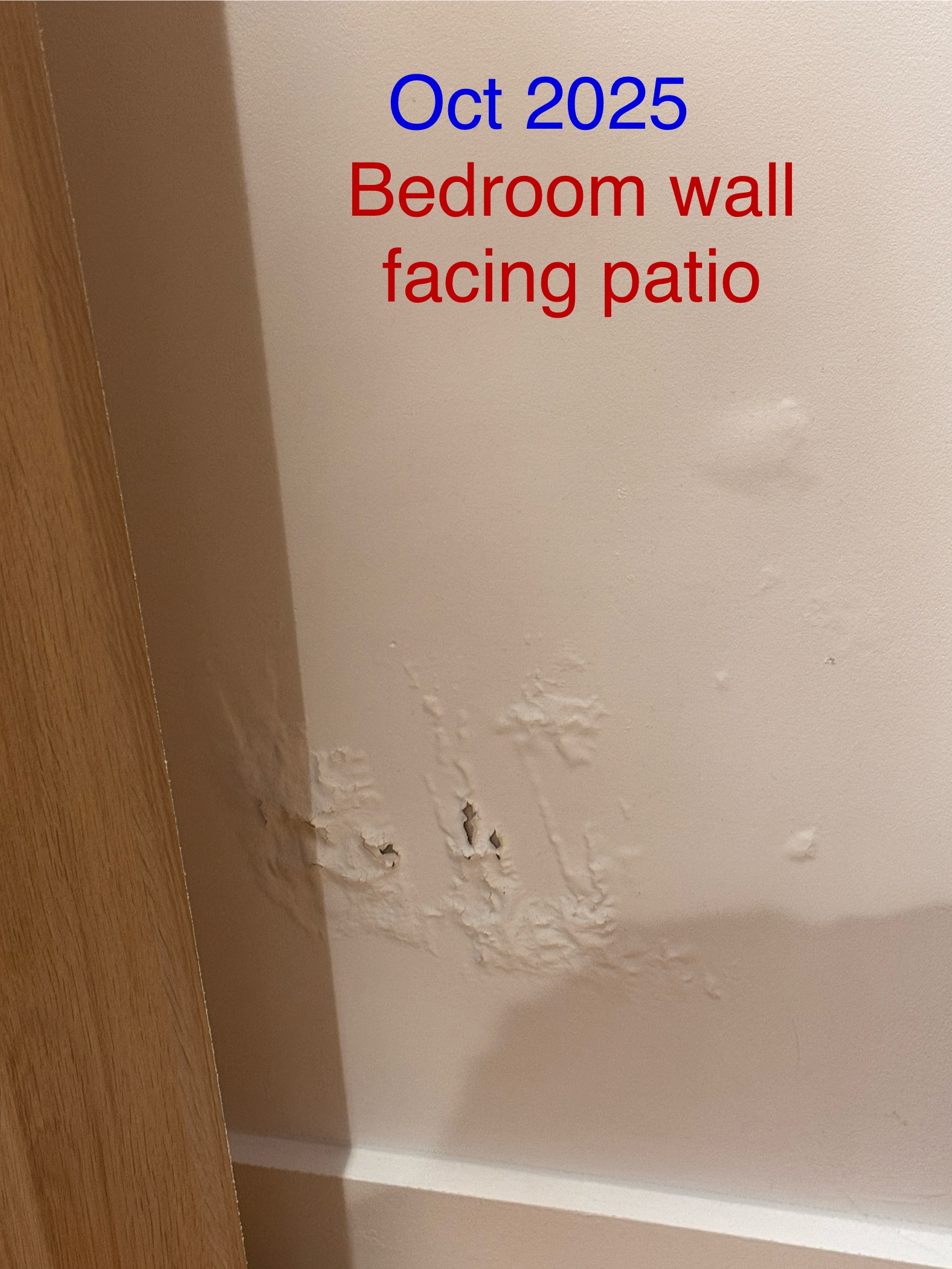
Symptoms observed: Damp smell, cracking plaster and flaking paint affecting basement walls
Previous advice: Damp proof course and waterproof plastering recommended by the builder
Expertible outcome: Clearer understanding of moisture causes and appropriate long-term repair approach


Case Details
Damp symptoms began appearing after the homeowners moved into the Victorian basement flat. There were persistent damp smells, cracking plaster on external walls and paint flaking in a bedroom facing the patio.
Debs was concerned that the builder’s recommendation to install a chemical damp proof course and waterproof plastering might not resolve the real cause of the damp.
The flat had been refurbished shortly before purchase and was previously replastered using modern materials. The freeholder’s builder had also carried out repairs including unclogging a drain and replastering affected areas.
What happened
The consultation involved reviewing photos, a floor plan showing the affected areas and discussing previous repairs.
During the consultation Simon reviewed the building history and the pattern of damp symptoms. He further explained how moisture behaves in solid-wall Victorian basement properties.
Simon explained that basement flats in older buildings often experience moisture movement through solid walls and surrounding ground conditions. He added that modern materials or waterproofing systems can sometimes worsen problems if applied without understanding the cause.

Recommendations
The expert discussed the building holistically and helped Debs understand how drainage, ground levels and wall materials could influence moisture behaviour in the property.
The consultation helped Debs focus on understanding how moisture was entering the building before committing to additional damp proofing work.
The expert explained that long-term repairs involved addressing drainage or external conditions and using materials compatible with traditional construction rather than simply installing a chemical damp proof system.
The Outcome
Debs left the consultation with a clearer understanding of how the building handled moisture and greater confidence about how to approach a permanent solution.
Debs, “There was no upselling of products or services, just plain honesty and advice from a professional who knew buildings like ours really well.”
“The money spent on the consultation was well worth it for the clarity and peace of mind.”

Conclusions
Should you inject a damp proof course in a Victorian basement flat? The expert explained that chemical damp proof courses are not appropriate to address the underlying moisture behaviour in older solid-wall buildings below ground.
Can drainage problems cause damp in basement flats? The expert explained that blocked drains, high ground levels and moisture movement through solid walls can all contribute to damp problems in basement flats.