
Property: 1890s end-terrace Victorian house in Bristol
Consultation with: Simon Hollis
Key question: Should you tank walls to fix damp in a Victorian terrace?
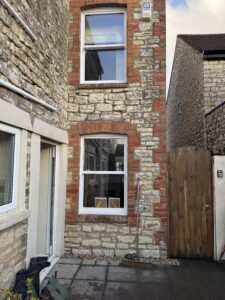
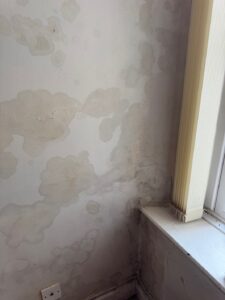
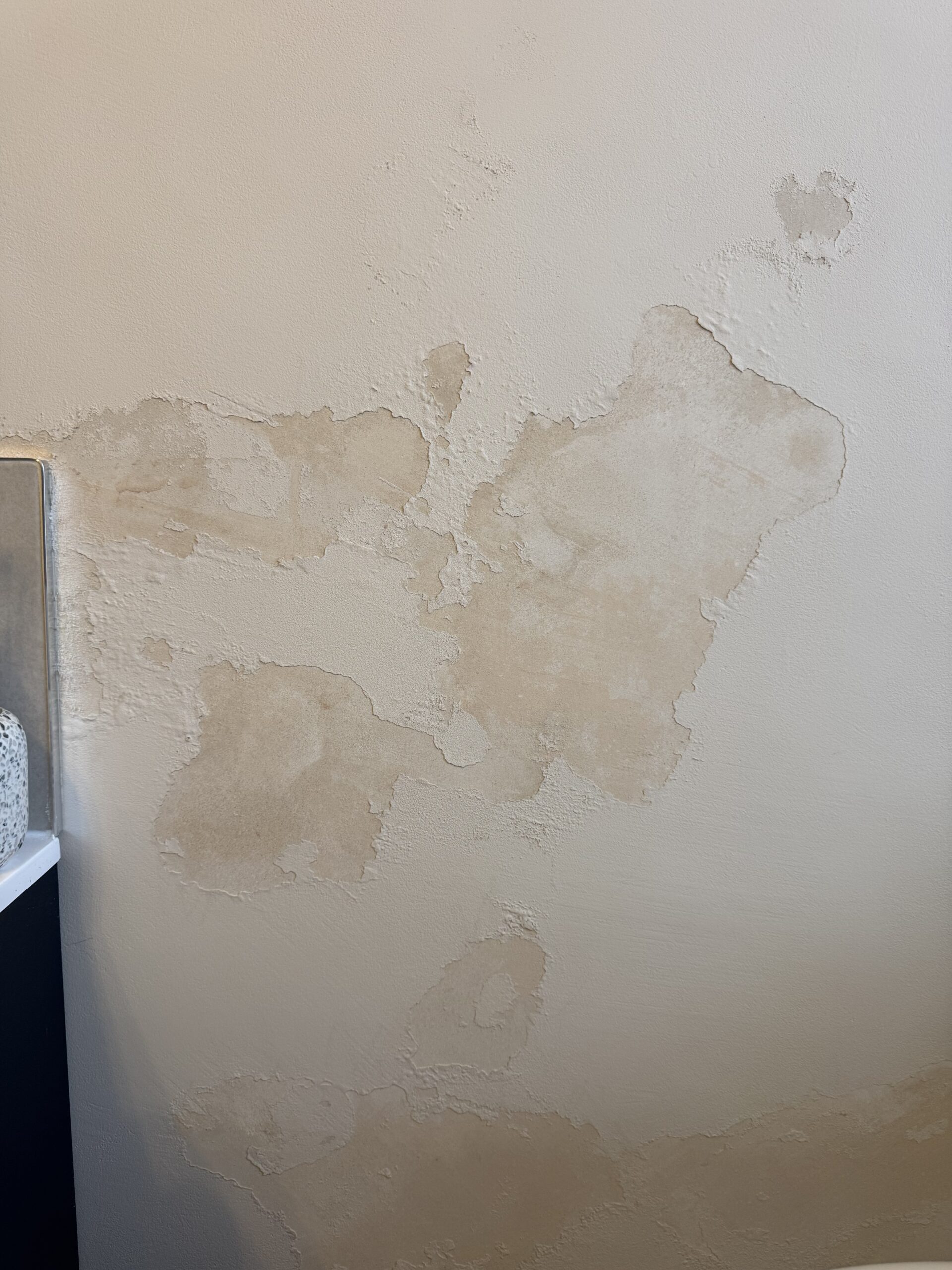
Symptoms Observed: Multiple damp areas appearing in different rooms of a late-19th century terrace house.
Previous advice: Tanking systems and cement render recommended by contractors
Expertible outcome: Clear diagnosis plan before carrying out major damp treatments
Case Details
Multiple damp areas had appeared in different rooms of the late-19th-century terrace house.
Sam was concerned that expensive building work might not solve the damp problems and was unsure which advice to trust.
Sam had received conflicting advice from tradespeople and online forums suggesting tanking systems or cement renders as solutions.
What happened
The consultation involved reviewing the symptoms, discussing the building fabric and considering possible moisture sources affecting the property.
During the consultation Simon reviewed the situation and explained how moisture behaves in traditional buildings, helping Sam understand the likely causes of the damp and why some modern treatments might not have been appropriate.
Simon explained that Victorian houses were built with moisture open materials that allow moisture to gradually move through walls to dry out. He noted that modern treatments such as cement renders can trap moisture and sometimes worsen damp problems.

Recommendations
The expert discussed the building holistically with Sam, explained how to confirm the damp sources first, and advised against rushing into tanking or cement-based repairs without confirming the diagnosis.
The consultation helped Sam focus on observing how moisture behaved in the property and reviewing building fabric issues before committing to major remedial work.
The expert also explained that any future repairs should use materials compatible with traditional construction once the underlying cause had been confirmed.
The Outcome
Sam and his wife left the consultation reassured that the problem was manageable and that their renovation could continue without introducing new damp risks.
Sam, “We felt reassured that the approach we wanted to take was the right one and that the damp wasn’t actually the huge problem it appeared to be.”
“The consultation gave us peace of mind that we could continue with our renovation plans without making the problem worse.”
Conclusions
How do you deal with damp in a Victorian terrace house? In Sam’s case the expert explained that diagnosing the moisture source first was essential, and that many damp issues in Victorian homes can be resolved through targeted repairs rather than large scale damp proofing systems.
Should you tank walls to fix damp? The expert explained that tanking can sometimes trap moisture in traditional buildings and should only be considered after careful diagnosis.