
What causes damp in buildings?
Damp always has a cause.
In older houses it is often linked to moisture moving through walls, condensation forming on cold surfaces, or rainwater entering through defects in the building fabric.
Understanding the science behind damp is the first step to diagnosing the problem and choosing the right repair.
We have a YouTube channel that delves into the physics of moisture movement in buildings. Tap the image to play our latest video episode.
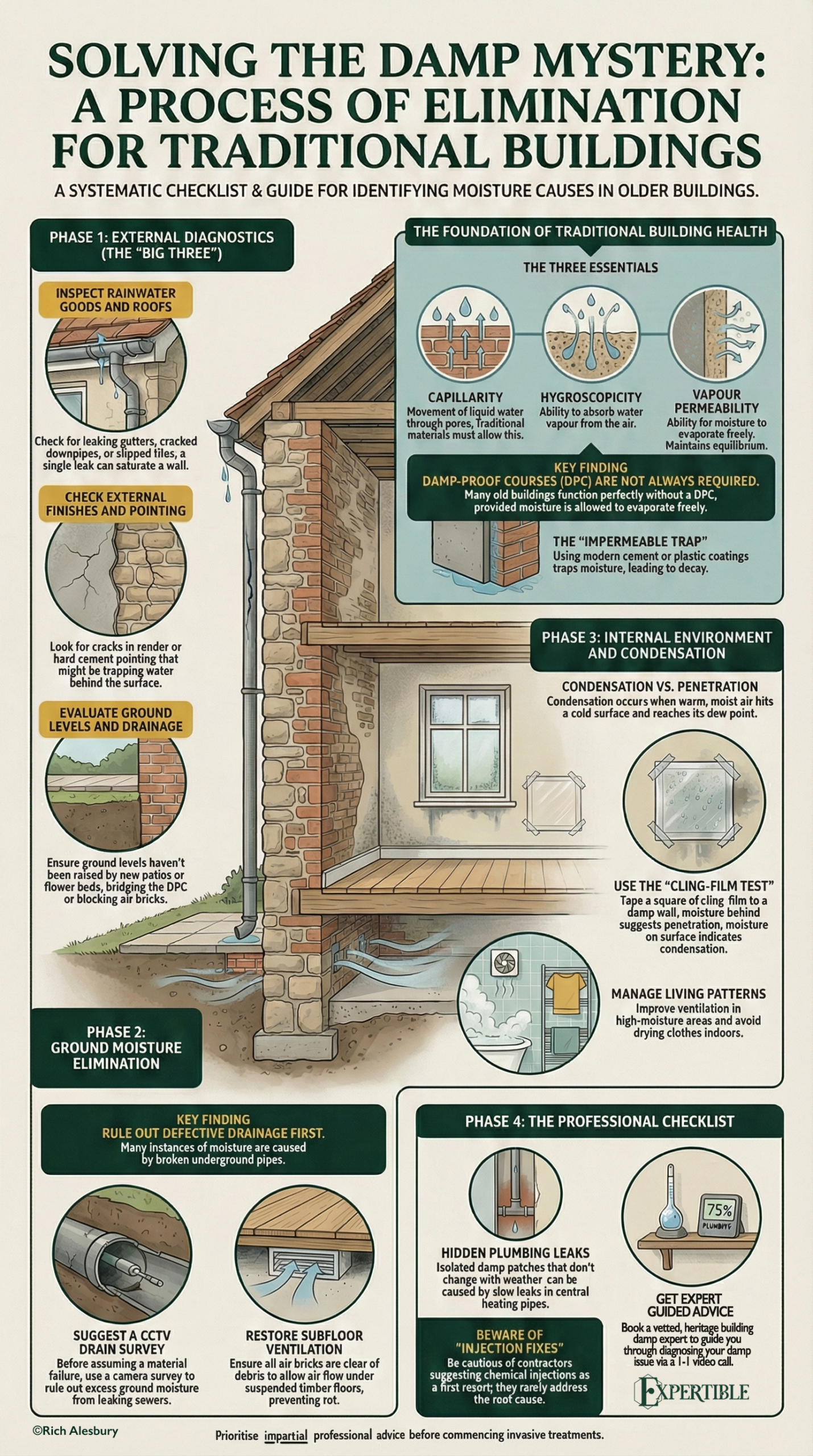
How do you diagnose damp in a house?
Many damp problems are misdiagnosed because the visible symptoms can have several possible causes.
Proper diagnosis involves understanding how the building was constructed, identifying where moisture is entering, and observing how damp behaves over time.
Our short infographic is a great place to start and free to download.
How can damp experts help you?
Diagnosing damp often requires specialist knowledge of building materials, moisture behaviour, and traditional construction methods.
Expertible connects homeowners with independent experts who can review your situation during a video consultation and help you understand the likely causes of damp.
They can guide you through possible next steps and help you avoid unnecessary or inappropriate repairs. Find out more about how they can help you and your house.

Case Studies
Every damp problem is different.
These real case studies show how homeowners across the UK have used expert advice to understand the cause of damp in their homes and plan the right repairs.
Each example explains the symptoms, the diagnosis, and the how the expert was able to help with practical next steps.
Is rising damp really common in old houses and do I actually have it?
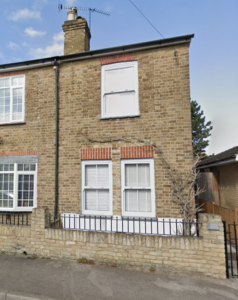
Client: Ben; Addlestone, Surrey
Property: 1900s Semi-detached
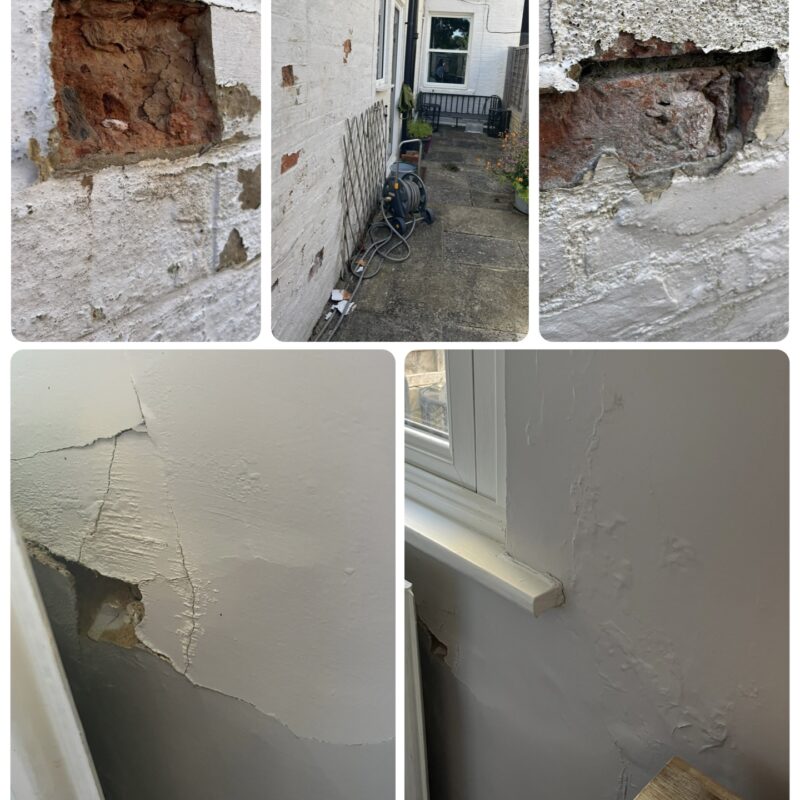
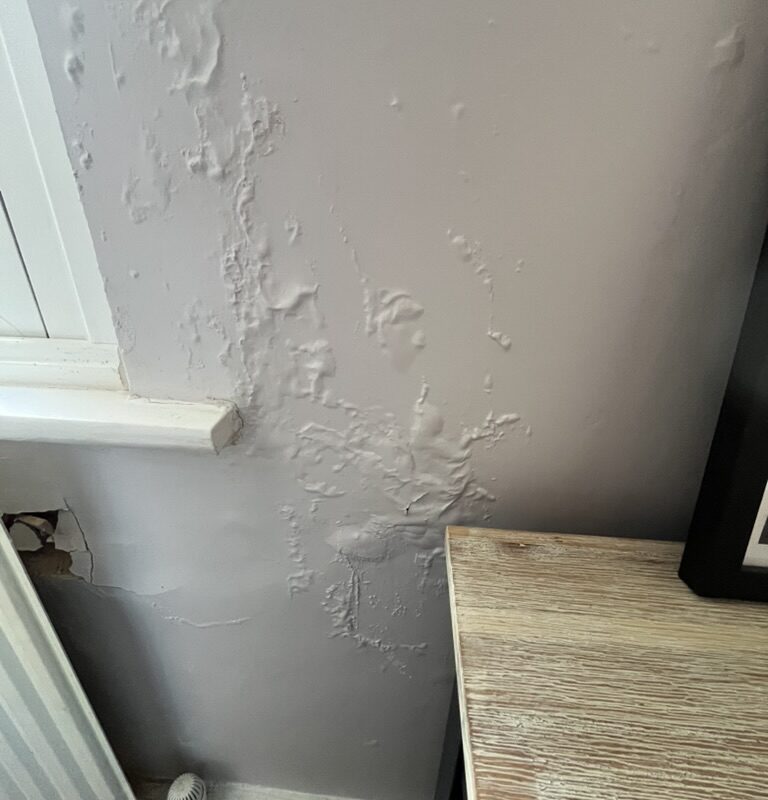
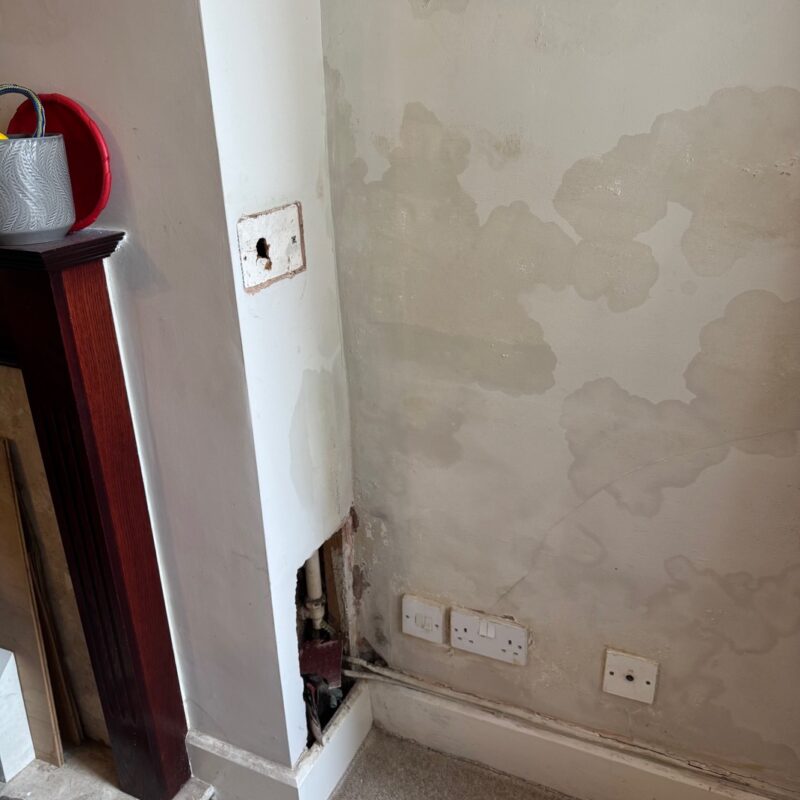
Problem: Rising damp is often suspected in Victorian homes, but symptoms like mould, salts and failing plaster can have several causes. In this case, Ben sought independent advice from a period property specialist who helped him understand the likely causes of the damp and develop a clear plan before carrying out repairs.
Expertible: Stephen Boniface
Outcome: “I am now fully equipped to move forward without the guesswork. I have a clear checklist to diagnose the damp cause and specific material recommendations.”
Should you inject a damp proof course in a Victorian basement flat?
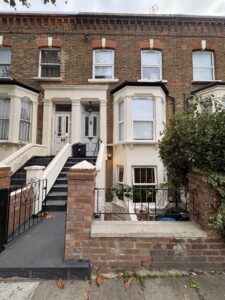
Client: Debs; London
Property: 1890s Basement flat
Problem: A homeowner living in a Victorian basement flat in London began experiencing damp problems shortly after moving in. After contractors recommended installing a damp proof course and waterproof plastering, she sought independent advice to understand the real cause of the problem before committing to further building work.
Expertible: Simon Hollis
Outcome: “The money spent on the consultation was well worth it for the clarity and peace of mind.”
Should you tank walls to fix damp in a Victorian terraced house?
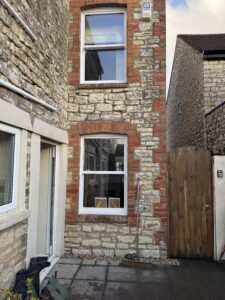
Client: Sam; Bristol
Property: 1890s End Terrace
Problem: Sam noticed damp appearing in several rooms of his 1890s Victorian terrace and was advised to install tanking systems and cement renders. After speaking to an expert, he learned that these treatments might not address the real cause and developed a clearer plan for diagnosing and managing the damp before continuing his renovation.
Expertible: Simon Hollis
Outcome: “We felt reassured that the approach we wanted to take was the right one and that the damp wasn’t actually the huge problem it appeared to be.”
Hear from people we’ve helped with their damp problems
Many damp problems are misdiagnosed because the visible symptoms can have several possible causes.
Proper diagnosis involves understanding how the building was constructed, identifying where moisture is entering, and observing how damp behaves over time.
Our downloadable damp diagnosis guide above explains how experts investigate damp and the common mistakes homeowners should avoid.
You can hear directly from the clients we’ve helped to resolve their damp issues amongst the video testimonials here.
Damp – FAQs
Homeowners often have similar questions when dealing with damp problems. The answers below explain some of the most common issues and misconceptions about damp in buildings.
What causes damp in houses?
Damp in houses is caused by moisture entering or forming inside the building. This can happen when rainwater penetrates walls, when warm air condenses on cold surfaces, or when moisture moves through building materials from the ground or surrounding environment. Identifying the specific cause is essential before attempting repairs.
Is rising damp common in older houses?
True rising damp is often less common than people expect. Many damp problems in older houses are actually caused by condensation, penetrating moisture from outside, or changes made to the building such as impermeable plaster or blocked ventilation. Proper diagnosis is needed to confirm the cause.
How can you tell what type of damp you have?
Different types of damp tend to appear in different patterns. Condensation often forms on cold surfaces or in corners of rooms, penetrating damp may appear after heavy rain, and moisture from the ground usually starts near the base of walls. Observing when and where damp appears can help identify the likely cause.
Should you inject a damp proof course?
Injecting a chemical damp proof course is rarely recommended and in many cases is completely ineffective. Damp symptoms can have multiple causes, and installing a damp proof course without diagnosing the problem will not resolve the issue. Understanding the building and identifying the moisture source should come first.
Can damp damage a house?
Yes, persistent damp can damage building materials over time. Moisture can lead to decaying timber, deteriorating plaster, mould growth, and damage to decorative finishes. Addressing damp early helps prevent more serious structural or health problems later.
When should you speak to a damp expert?
If damp symptoms persist or you receive conflicting advice about repairs, it can be helpful to speak to an impartial specialist. An expert can review the symptoms, explain possible causes, and help you decide what investigations or repairs are most appropriate for your property.